For professional photographers, having the right equipment is crucial to capturing stunning images that stand out. Whether you are shooting portraits, landscapes, or events, the tools you choose can significantly impact the quality of your work. This guide will explore essential photography equipment that every professional should consider, ensuring you are well-equipped to tackle any project with confidence.
Cameras: The Heart of Your Setup
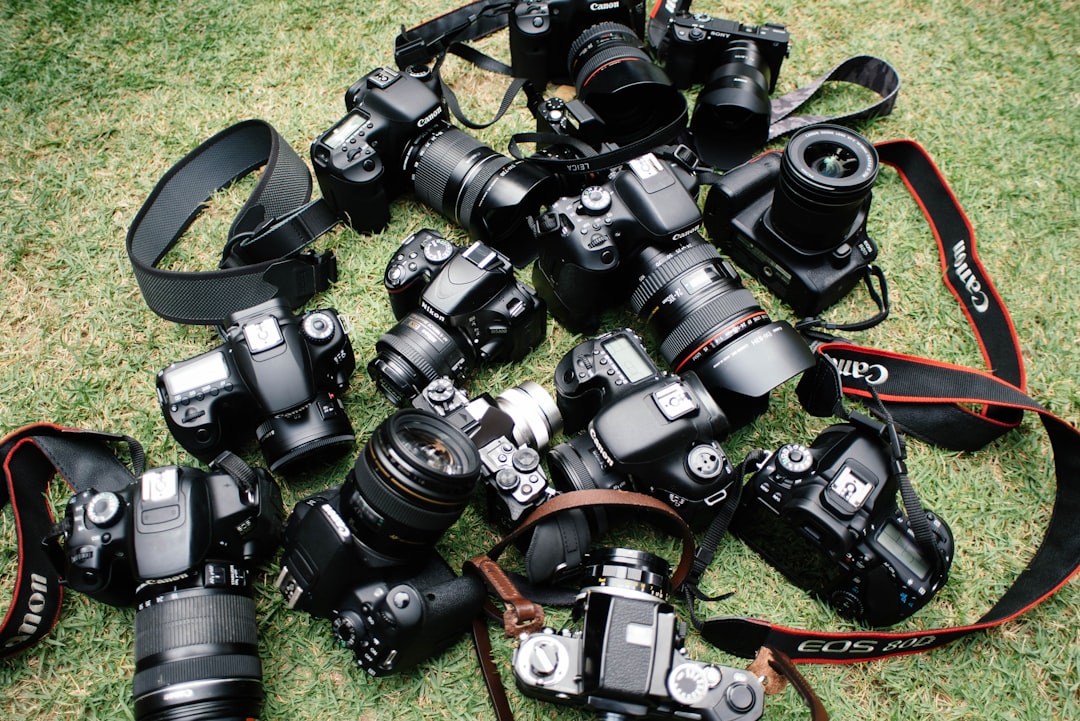
The camera is arguably the most important piece of equipment for any photographer. When selecting a camera, consider factors such as sensor size, resolution, and low-light performance. Full-frame DSLRs and mirrorless cameras are popular choices among professionals due to their versatility and image quality, allowing for exceptional detail and dynamic range in various lighting conditions.
Additionally, it’s essential to invest in a camera that feels comfortable in your hands and suits your shooting style. Some photographers prefer the tactile feedback of a DSLR, while others appreciate the compactness and advanced features of mirrorless systems. Whichever you choose, ensure it aligns with your creative vision and technical needs.
Lenses: Expanding Your Creative Horizons
Lenses play a pivotal role in determining the look and feel of your photographs. A good lens can elevate your images, providing sharpness, contrast, and unique perspectives. Start with a versatile zoom lens, such as a 24-70mm f/2.8, which is perfect for various shooting scenarios, from portraits to landscapes.
As you progress, consider adding prime lenses to your collection. Lenses like a 50mm f/1.8 or a 85mm f/1.4 can provide beautiful bokeh and exceptional low-light performance, allowing you to create stunning portraits with a professional touch. Remember, the right lens can transform your photography and help you achieve your desired artistic expression.
Tripods: Stability for Sharp Images
A sturdy tripod is an indispensable tool for any professional photographer, especially when shooting in low-light conditions or capturing long exposures. A quality tripod provides stability, ensuring that your camera remains steady and your images are sharp. Look for a tripod that is lightweight yet robust, allowing for easy transport without compromising stability.
Additionally, consider a tripod with adjustable height and a quick-release plate for convenience. This will enable you to switch between different shooting angles and heights effortlessly. Investing in a good tripod will enhance your photography, particularly in landscape and architectural photography, where precision is key.
Lighting Equipment: Mastering the Art of Light
Lighting is a critical element in photography, and having the right lighting equipment can make all the difference. Natural light can be beautiful, but it is often unpredictable. Therefore, investing in artificial lighting sources, such as speedlights or studio strobes, can help you achieve consistent results. These tools allow you to control the light and create the mood you desire in your images.
Moreover, consider adding modifiers like softboxes or umbrellas to diffuse harsh light and create a softer, more flattering illumination. Reflectors can also be beneficial for bouncing light onto your subject, enhancing details and reducing shadows. Mastering lighting techniques will elevate your photography and enable you to create captivating images regardless of the environment.
Step-by-step plan:
Step 1: Assess your photography needs and identify the types of projects you will undertake. Step 2: Research and select a camera that fits your style and budget. Step 3: Build your lens collection based on the genres you plan to shoot. Step 4: Invest in essential accessories like tripods and lighting equipment to enhance your workflow.