
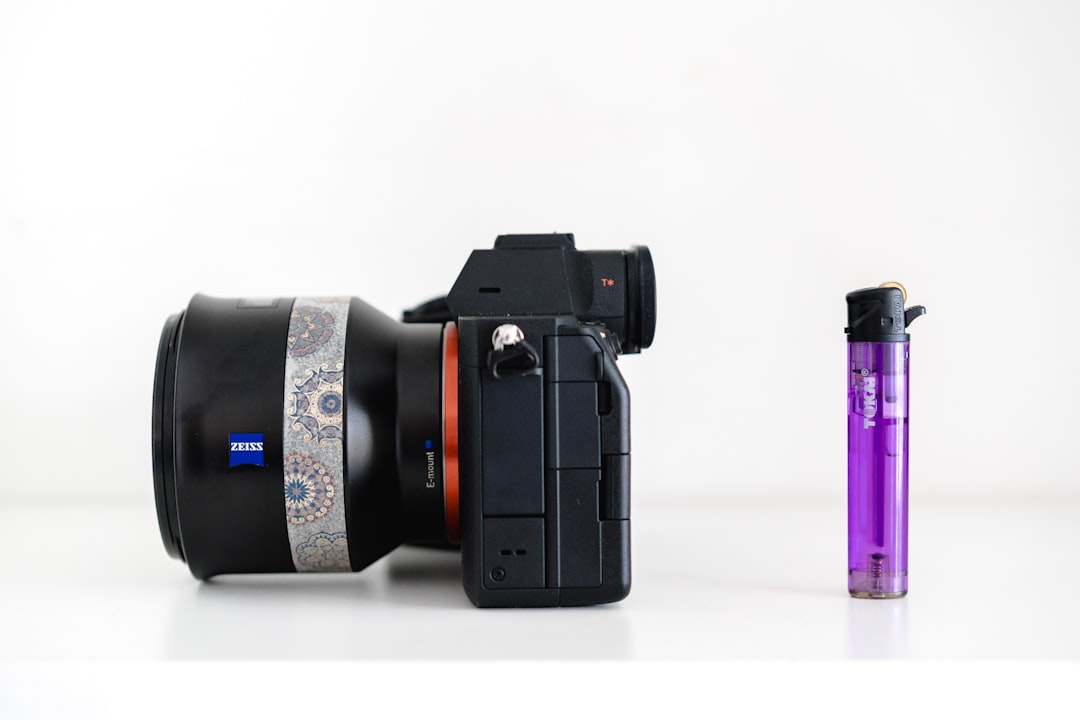
Choosing the right lens for your camera can significantly impact your photography experience and the quality of your images. With so many options available, it can be overwhelming to determine which lens will best suit your needs. This guide will help you navigate the world of camera lenses, focusing on the essential factors to consider when making your selection.
Understanding Lens Types
Camera lenses come in various types, each designed for specific photography styles and purposes. The most common types include prime lenses, zoom lenses, and macro lenses. Prime lenses have a fixed focal length, which often results in better image quality and wider apertures, making them ideal for low-light conditions and portrait photography.
On the other hand, zoom lenses offer versatility with adjustable focal lengths, allowing you to capture a range of subjects without changing lenses. Macro lenses are specifically designed for close-up photography, enabling you to capture intricate details of small subjects. Understanding these types will help you determine which lens aligns with your photography goals.
Focal Length and Its Importance
Focal length is a crucial factor in lens selection, as it influences the perspective and composition of your images. Measured in millimeters (mm), focal length determines how much of a scene you can capture and how close you can get to your subject. A shorter focal length, such as 18mm, is ideal for landscape photography, while a longer focal length, like 200mm, is better suited for wildlife and sports photography.
Additionally, focal length affects the depth of field in your images. A lens with a longer focal length will produce a shallower depth of field, allowing for beautiful background blur, which is perfect for portraits. Conversely, a shorter focal length will provide a greater depth of field, keeping more of the scene in focus, which is advantageous for landscape shots.
Aperture and Low-Light Performance
The aperture of a lens, indicated by f-stop numbers, plays a significant role in determining how much light enters the camera. A lower f-stop number, such as f/1.8, means a wider aperture, allowing more light to reach the sensor. This is particularly beneficial for low-light photography, as it enables you to shoot at faster shutter speeds without introducing motion blur.
Moreover, a wider aperture also contributes to a shallower depth of field, enhancing the bokeh effect in your images. When selecting a lens, consider the maximum aperture and how it aligns with your shooting conditions. If you often find yourself shooting in dim environments, investing in a lens with a wider aperture will greatly improve your results.
Compatibility with Your Camera
Before purchasing a lens, it’s essential to ensure compatibility with your camera body. Different camera manufacturers have specific lens mounts, and not all lenses will fit all camera models. Research the lens mount type of your camera and look for lenses that are specifically designed for it.
Additionally, consider whether you want to invest in full-frame or crop sensor lenses. Full-frame lenses are designed for cameras with larger sensors, while crop sensor lenses are tailored for smaller sensors. Using a crop sensor lens on a full-frame camera can lead to vignetting and reduced image quality, so it’s crucial to choose wisely based on your camera’s specifications.
Step-by-step plan:
Step 1: Identify your photography style and needs to determine the type of lens required. Step 2: Research the focal lengths that best suit your intended subjects and shooting conditions. Step 3: Evaluate the aperture options available and how they will affect your low-light performance. Step 4: Ensure compatibility with your camera body before making a purchase.