
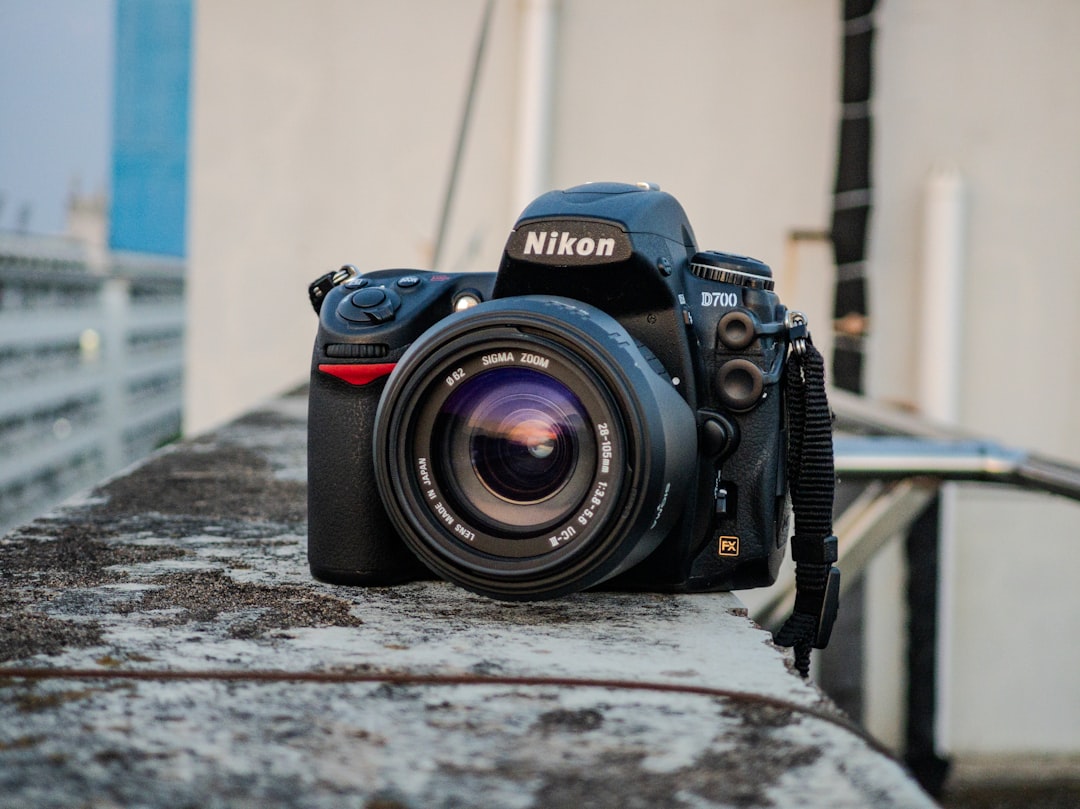
In the world of photography, the lens is often considered the heart of the camera. While many photographers focus on the body of their camera, the lens plays a crucial role in determining the quality of the images captured. Investing in quality lenses not only enhances the photographic experience but also aligns with sustainable practices that benefit both the environment and the consumer. As we explore the importance of quality lenses, we will also delve into how ethical sourcing and eco-conscious decisions can impact your photography journey.
The Importance of Quality Lenses
Quality lenses are essential for capturing sharp, vibrant images that reflect the true essence of a scene. Unlike lower-quality lenses, which may produce soft or distorted images, high-quality lenses are engineered to minimize aberrations and maximize clarity. This precision in optics allows photographers to express their creativity without being hindered by technical limitations. Moreover, investing in a good lens can save money in the long run, as it reduces the need for frequent upgrades or replacements.
Additionally, quality lenses often come with better build quality, which means they can withstand the rigors of outdoor photography. Photographers who venture into challenging environments, such as rugged landscapes or unpredictable weather, will find that durable lenses can endure these conditions without compromising performance. This reliability not only enhances the shooting experience but also fosters a deeper connection between the photographer and their craft.
Eco-Conscious Choices in Photography
As the photography industry evolves, so does the need for sustainable practices. Photographers are increasingly aware of the environmental impact of their equipment choices. By opting for lenses that are produced using eco-friendly materials and processes, photographers can contribute to a more sustainable future. Brands like lensboatstudio.com prioritize ethical sourcing and manufacturing practices, ensuring that their products are not only high-quality but also environmentally responsible.
Moreover, sustainable photography equipment often comes with certifications that assure buyers of their eco-friendliness. For instance, lenses that meet the Energy Star standard are designed to consume less energy during production, which reduces their carbon footprint. This transparency in manufacturing not only builds trust with consumers but also encourages a shift towards more responsible purchasing decisions in the photography community.
The Role of Ethical Sourcing
Ethical sourcing is a critical aspect of the photography equipment industry that affects both the environment and the communities involved in production. When photographers choose brands that prioritize ethical practices, they support fair labor conditions and sustainable resource management. This commitment to ethics can significantly impact the quality of the products, as companies that value their workers are more likely to produce superior equipment.
Furthermore, ethical sourcing often leads to innovative designs that incorporate sustainable materials. For example, some lenses are made using recycled glass or plastics, which not only reduces waste but also conserves natural resources. By investing in such products, photographers can feel good about their purchases, knowing they are making a positive impact on the planet.
Building Trust Through Transparency
In today’s market, transparency is key to building trust between consumers and brands. When companies openly share their sourcing practices and the environmental impact of their products, they foster a sense of accountability. This transparency is particularly important in the photography industry, where consumers are increasingly looking for brands that align with their values.
By choosing to invest in lenses from companies that prioritize sustainability and ethical sourcing, photographers can feel confident that their purchases support a greater cause. This trust not only enhances the consumer experience but also encourages a community of like-minded individuals who are passionate about both photography and the environment. In this way, investing in quality lenses becomes more than just a purchase; it becomes a commitment to a sustainable future.